Korean Bibimbap
Highlighted under: Cultural World Food Inspiration
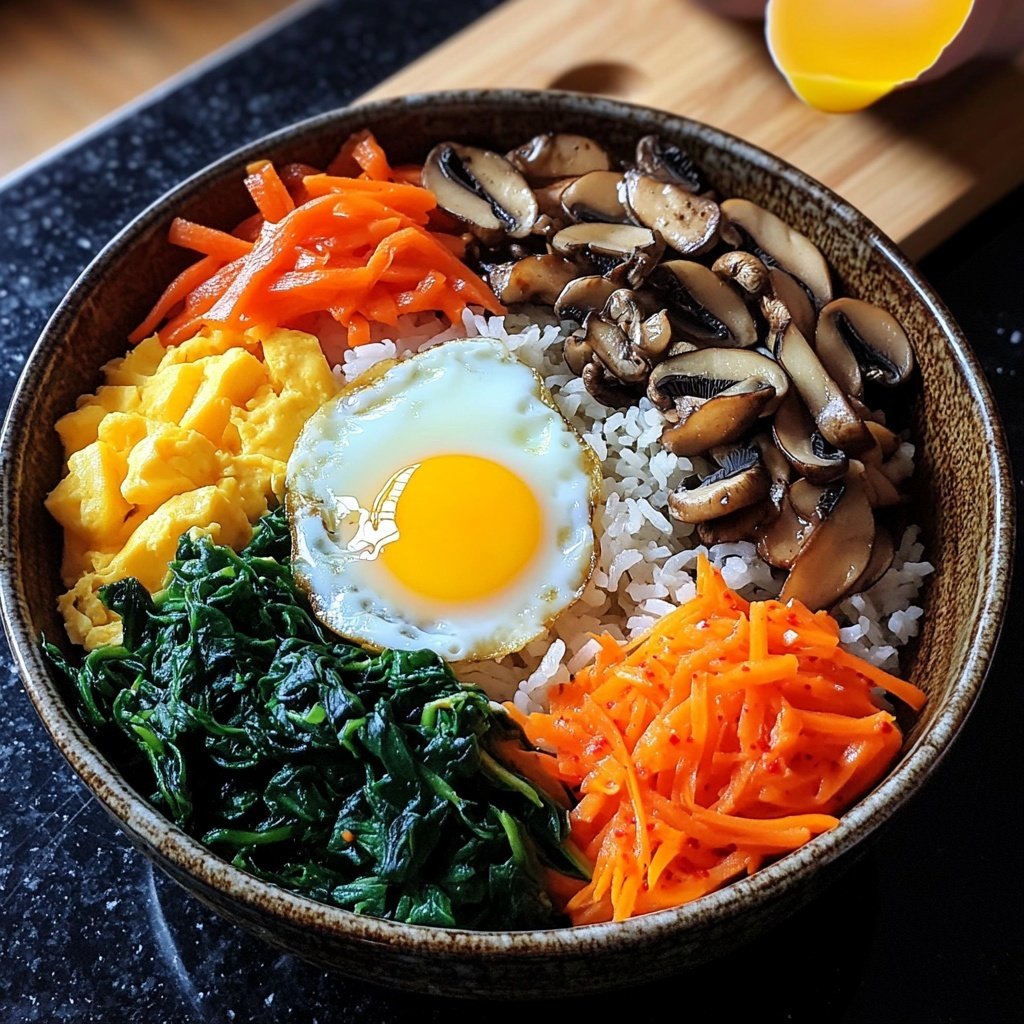
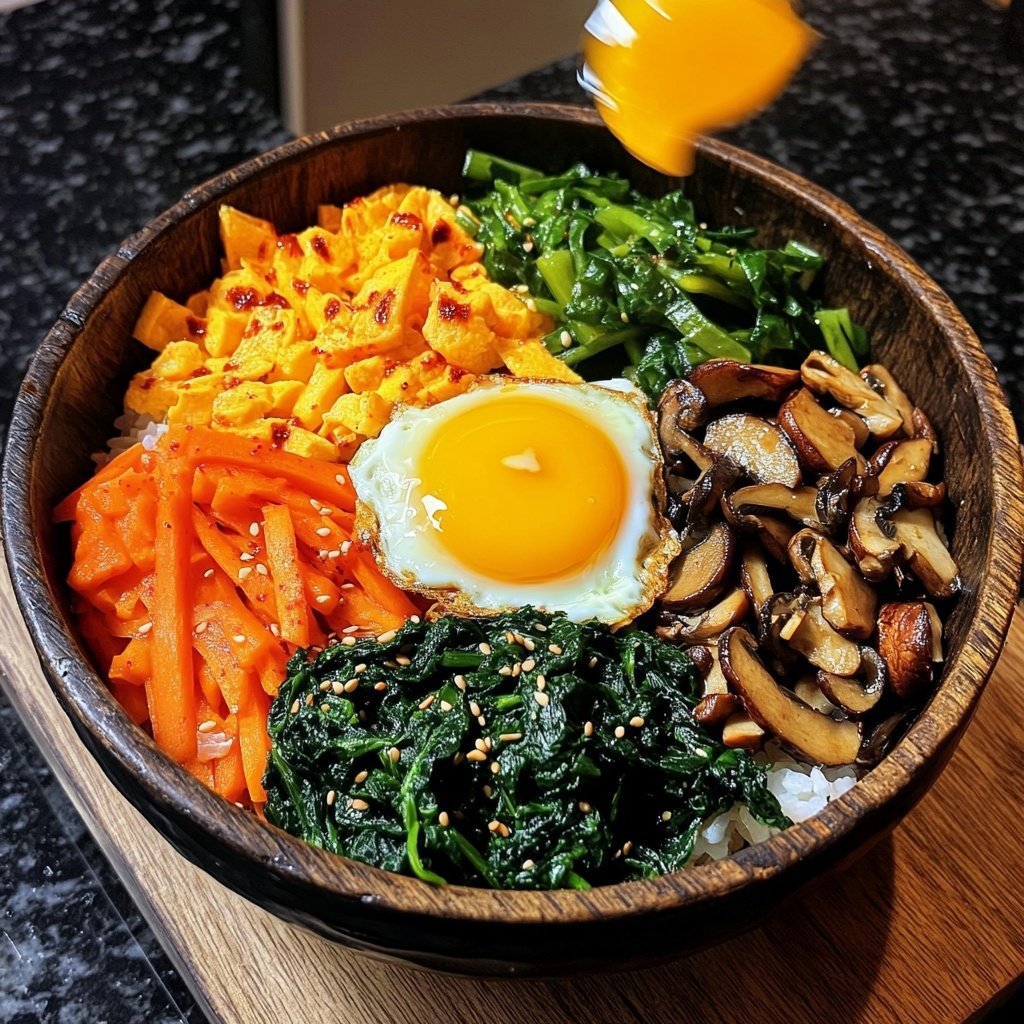
Korean Bibimbap is a vibrant and flavorful dish that combines rice, assorted vegetables, meat, and a fried egg, all topped with a spicy gochujang sauce.
Korean Bibimbap is not just a dish; it's a culinary experience. The harmony of flavors and textures in each bite makes it a favorite among food lovers. Whether you're enjoying it at a Korean restaurant or making it at home, bibimbap is sure to satisfy your cravings.
Why You'll Love This Recipe
- A balanced meal with vibrant colors and flavors
- Customizable with your choice of vegetables and protein
- Perfectly topped with a runny egg for added richness
The Essence of Bibimbap
Bibimbap, which translates to 'mixed rice,' is a staple in Korean cuisine, celebrated for its vibrant presentation and nutritional balance. This dish is not just a meal; it's an experience that highlights the beauty of Korean cooking. Each component—from the fragrant rice to the fresh vegetables—plays a crucial role in creating a harmonious blend of textures and flavors. The use of seasonal ingredients ensures that bibimbap can be enjoyed year-round, making it a versatile choice for any occasion.
Traditionally, bibimbap is served in a hot stone bowl, which adds an irresistible crispy layer to the rice. However, this recipe offers a simplified version that still captures the essence of the original. The variety of vegetables not only enhances the dish’s visual appeal but also contributes essential vitamins and minerals, making it a healthful option for anyone looking to enjoy a balanced diet with minimal effort.
Customizing Your Bibimbap
One of the best aspects of bibimbap is its versatility. You can tailor this dish to suit your dietary preferences, making it a perfect option for vegetarians, vegans, or meat lovers alike. For a plant-based version, simply substitute the ground beef with tofu or tempeh, and feel free to include your favorite vegetables, such as bell peppers or broccoli. This adaptability not only caters to various tastes but also encourages creativity in the kitchen.
The choice of toppings can also elevate your bibimbap experience. Some may prefer to add a touch of crunch with crushed nuts or seeds, while others might enjoy the tangy flavor of pickled vegetables. Experimenting with different sauces, such as soy sauce or sesame dressing, can further enhance the dish, allowing you to discover your unique flavor profile.
Serving Suggestions
Bibimbap is not only visually stunning but also makes for an excellent party dish. When hosting gatherings, consider serving bibimbap in individual bowls, allowing guests to customize their own servings. This interactive approach can spark conversations and make your meal memorable. Pair it with Korean side dishes like kimchi or pickled radish to offer a more authentic dining experience.
For a complete meal, complement your bibimbap with a refreshing Korean cucumber salad or a warm miso soup. These sides enhance the overall dining experience and add variety to your table. With its rich flavors and colorful presentation, bibimbap is sure to impress, whether it's a casual weeknight dinner or a festive celebration.
Ingredients
For the Bibimbap
- 2 cups cooked white rice
- 1 cup spinach, blanched and chopped
- 1 cup carrots, julienned
- 1 cup zucchini, julienned
- 1 cup mushrooms, sliced
- 1 cup bean sprouts, blanched
- 1 cup cooked ground beef or tofu
- 4 eggs
- Gochujang (Korean red pepper paste)
- Sesame oil
- Soy sauce
- Sesame seeds for garnish
Instructions
Prepare the Vegetables
In a hot skillet, sauté the carrots, zucchini, and mushrooms separately in a bit of sesame oil until tender. Blanch the spinach and bean sprouts. Set aside all the vegetables.
Cook the Eggs
Fry the eggs in a non-stick skillet until the whites are set but the yolks remain runny. This will add richness to your bibimbap.
Assemble the Bibimbap
In a large bowl, place a serving of rice at the bottom. Arrange the sautéed vegetables, bean sprouts, and cooked ground beef or tofu on top. Add the fried egg in the center.
Add Sauce and Serve
Drizzle with gochujang, sesame oil, and a sprinkle of sesame seeds. Mix everything together before eating to enjoy the burst of flavors.
Pro Tips
- Feel free to customize your bibimbap with your favorite vegetables or proteins. For a vegetarian option, use tofu instead of beef.
Tips for Perfect Bibimbap
To achieve the perfect bibimbap, ensure that all your ingredients are prepared and organized before assembling the dish. Each vegetable should be cooked separately to maintain its unique flavor and texture. This step is crucial, as it allows you to appreciate the distinct taste of each ingredient while enjoying the overall harmony of the dish.
Using high-quality gochujang is vital for authentic flavor. This spicy pepper paste adds depth to your bibimbap, balancing the richness of the egg and the freshness of the vegetables. Don’t hesitate to adjust the amount based on your spice preference, as some may prefer a milder taste while others crave a fiery kick.
Storage and Reheating
Leftover bibimbap can be stored in an airtight container in the refrigerator for up to three days. To preserve the freshness of the ingredients, it's best to keep the sauce separate until you're ready to enjoy the meal again. When reheating, consider using a microwave or a skillet to restore some of the original textures, especially if you're using a stone bowl.
For a quick meal, you can easily reassemble the bibimbap by adding fresh vegetables or a new protein to the leftover rice. This not only minimizes waste but also allows you to enjoy a different twist on the original dish, showcasing the versatility of bibimbap in your home cooking.
Questions About Recipes
→ Can I make bibimbap vegetarian?
Absolutely! Simply substitute the meat with tofu or any plant-based protein.
→ What can I serve with bibimbap?
Bibimbap is often served with a side of kimchi or pickled vegetables.
→ How can I store leftovers?
Store leftover bibimbap components separately in airtight containers in the fridge for up to 3 days.
→ Can I use brown rice instead of white rice?
Yes, brown rice can be used for a healthier option, though it may alter the texture slightly.
Korean Bibimbap
Created by: Linnea Porter
Recipe Type: Cultural World Food Inspiration
Skill Level: Intermediate
Final Quantity: 4 servings
What You'll Need
For the Bibimbap
- 2 cups cooked white rice
- 1 cup spinach, blanched and chopped
- 1 cup carrots, julienned
- 1 cup zucchini, julienned
- 1 cup mushrooms, sliced
- 1 cup bean sprouts, blanched
- 1 cup cooked ground beef or tofu
- 4 eggs
- Gochujang (Korean red pepper paste)
- Sesame oil
- Soy sauce
- Sesame seeds for garnish
How-To Steps
In a hot skillet, sauté the carrots, zucchini, and mushrooms separately in a bit of sesame oil until tender. Blanch the spinach and bean sprouts. Set aside all the vegetables.
Fry the eggs in a non-stick skillet until the whites are set but the yolks remain runny. This will add richness to your bibimbap.
In a large bowl, place a serving of rice at the bottom. Arrange the sautéed vegetables, bean sprouts, and cooked ground beef or tofu on top. Add the fried egg in the center.
Drizzle with gochujang, sesame oil, and a sprinkle of sesame seeds. Mix everything together before eating to enjoy the burst of flavors.
Extra Tips
- Feel free to customize your bibimbap with your favorite vegetables or proteins. For a vegetarian option, use tofu instead of beef.
Nutritional Breakdown (Per Serving)
- Calories: 450 kcal
- Total Fat: 18g
- Saturated Fat: 5g
- Cholesterol: 210mg
- Sodium: 600mg
- Total Carbohydrates: 60g
- Dietary Fiber: 5g
- Sugars: 5g
- Protein: 20g