Vegetable Paella
Highlighted under: Cultural World Food Inspiration
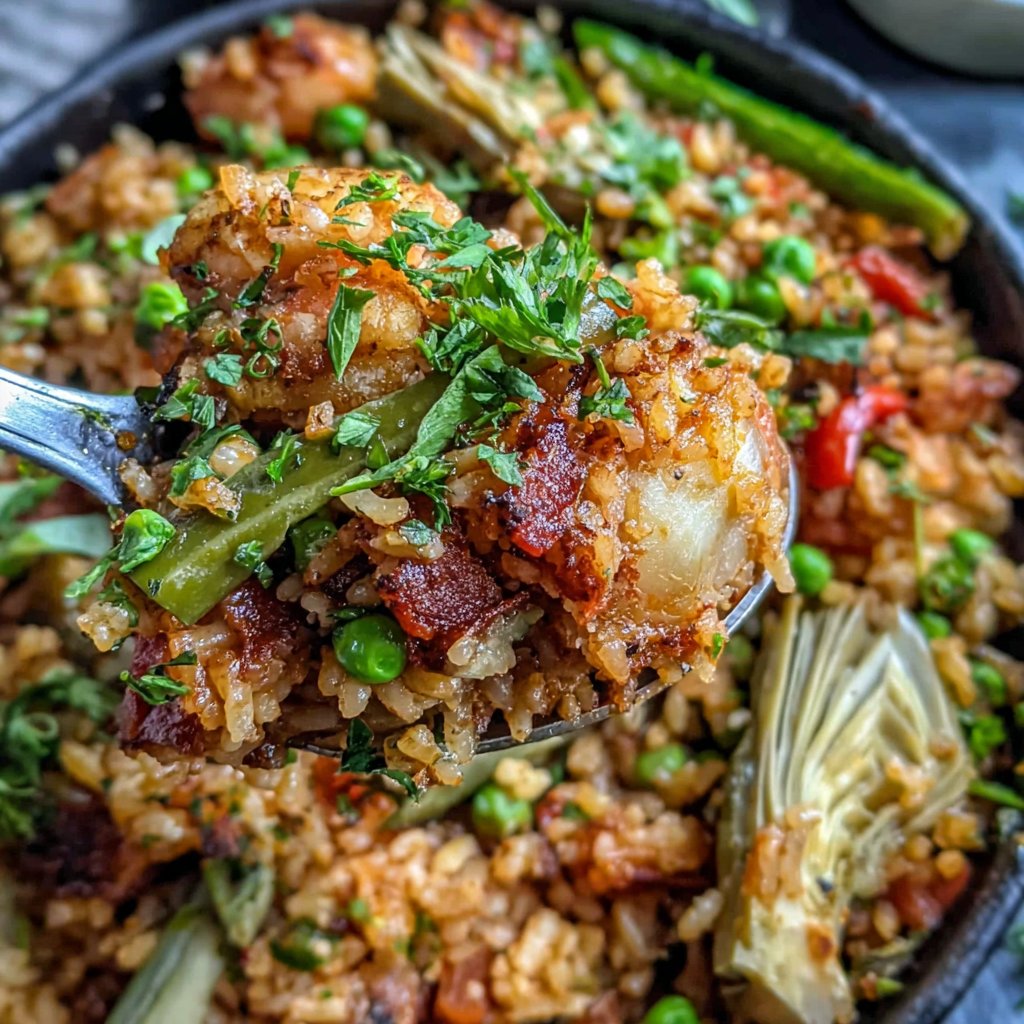
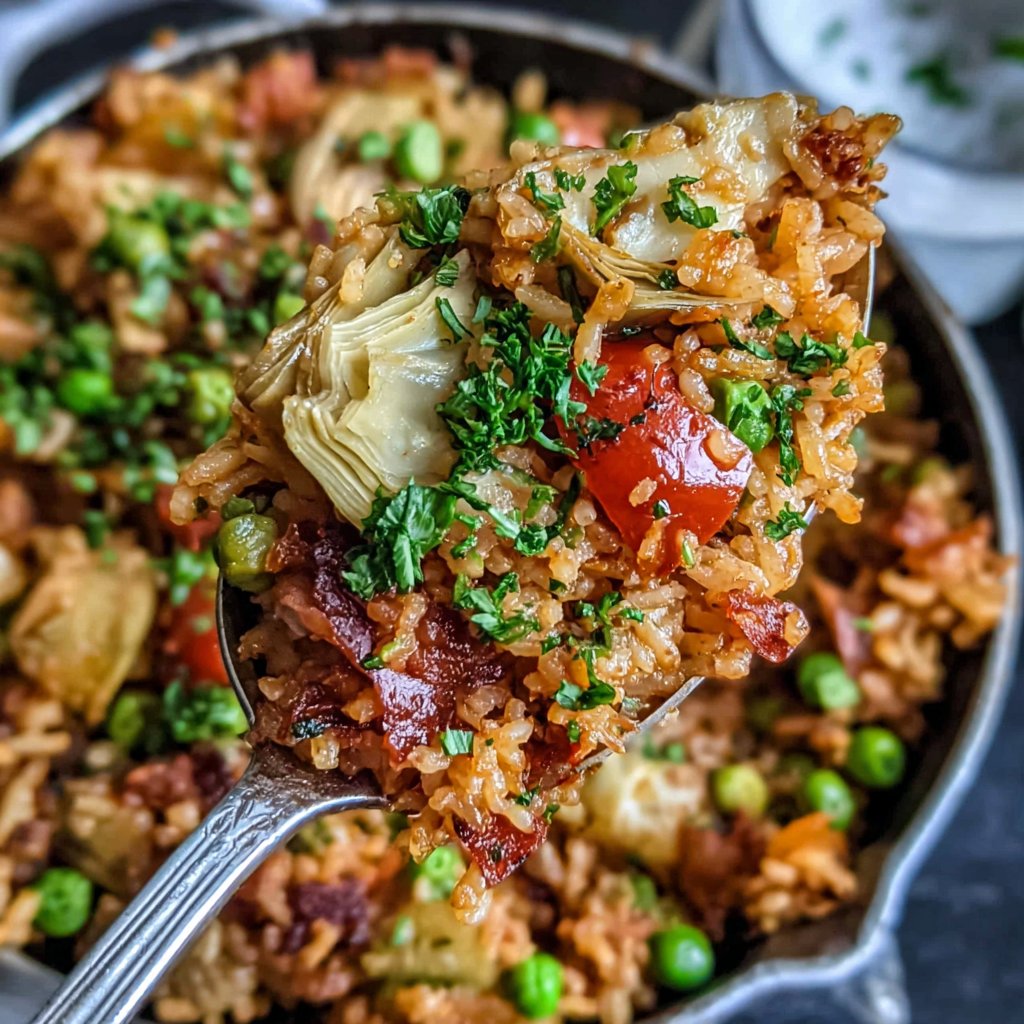
I have always loved the vibrant flavors and colors that come with a well-made paella. This Vegetable Paella not only showcases a variety of fresh vegetables but also embodies the spirit of shared meals. The saffron-infused rice creates a warm, inviting aroma, while the mix of artichokes, bell peppers, and peas adds both crunch and sweetness. Whether it’s a family gathering or a casual dinner with friends, this dish always brings people together and makes for a memorable culinary experience.
When I first attempted making paella, I was excited to create a dish that was not only filling but also a feast for the eyes. I discovered that using short-grain rice is key, as it absorbs flavors beautifully and becomes perfectly tender. The addition of vegetable stock instead of water enhances the dish's richness and taste, truly making each bite a burst of flavors.
In my experience, high-quality saffron and a little patience while simmering the rice really elevate this Vegetable Paella. It's essential to let it cook undisturbed for that perfect socarrat—crusty, flavorful rice at the bottom. Trust me, this detail alone makes all the difference!
Why You Will Love This Recipe
- Bursting with fresh, vibrant vegetables that add both flavor and color
- Saffron's unique aroma elevates the dish to a whole new level
- Easy to prepare, it's perfect for both special occasions and weeknight dinners
Selecting the Best Ingredients
When making Vegetable Paella, choosing the right vegetables can significantly elevate the dish's flavor profile. I recommend using fresh bell peppers in a variety of colors, as they'll not only contribute sweetness but also offer a visual feast. Additionally, using high-quality artichoke hearts, whether canned or frozen, can enhance texture without being overly woody. If you can't find fresh peas, frozen ones work perfectly here — just be sure to add them during the last stages of cooking to keep them vibrant and tender.
Saffron is the star of this dish, lending its unique aroma and color. If saffron is a bit outside your budget or hard to find, consider substituting a small amount of turmeric for color, though it lacks the distinct flavor. For those looking for a more robust taste, a bit of smoked paprika can also serve as an aromatic layer, giving your paella a wonderful depth.
Always measure your rice accurately; one cup of short-grain rice typically absorbs about two cups of liquid in the cooking process. An improper rice-to-liquid ratio could result in a dish that's either soupy or dry. For the best results, stick to the ratios provided in the recipe.
Techniques for Perfecting Your Paella
To achieve the characteristic crispy bottom layer of paella, known as 'socarrat,' make sure not to stir the rice once you add the vegetable stock. Allow the rice to cook undisturbed for 20 minutes, which helps develop that sought-after crust. If you prefer a softer texture, feel free to give it a gentle stir partway through, but remember, you might sacrifice the socarrat in doing so.
Additionally, using a wide, shallow pan is crucial for even cooking. The larger surface area allows the liquid to evaporate properly and ensures that the rice cooks evenly. If you don't have a paella pan, a large skillet can work in a pinch, but keep an eye on your cooking times as they may vary.
Timing is essential. Watch the rice closely during the last minutes of cooking; it should be tender yet slightly al dente and all the liquid should be absorbed. If you find that it’s getting too dry before the rice is fully cooked, add a splash of broth or water to prevent scorching.
Serving and Storing Suggestions
Once your Vegetable Paella is ready, let it rest off the heat for about 5 minutes. This resting period allows the flavors to meld and the rice to firm up slightly. For serving, I like to garnish with fresh herbs like parsley or a squeeze of lemon juice, which brightens up the dish beautifully. You can also serve it alongside a green salad for a refreshing contrast.
If you’re making this dish ahead of time, you can store leftover paella in an airtight container in the fridge for up to three days. To reheat, simply add a few tablespoons of vegetable stock to prevent drying and warm it gently in a skillet over low heat. Avoid microwaving, as it can lead to uneven reheating and a mushy texture.
For those looking to freeze their paella, allow it to cool completely before portioning it into freezer-safe containers. It can be frozen for up to two months. When ready to enjoy, thaw overnight in the refrigerator and reheat gently on the stove for the best results.
Ingredients
Gather these ingredients to create a wholesome Vegetable Paella:
Vegetable Ingredients
- 1 cup short-grain rice
- 2 cups vegetable stock
- 1 cup bell peppers, diced
- 1 cup peas (fresh or frozen)
- 1 cup artichoke hearts, quartered
- 1 medium onion, chopped
- 2 garlic cloves, minced
- 1 tsp smoked paprika
- 1 pinch saffron threads
- 2 tbsp olive oil
- Salt and pepper to taste
Instructions
Follow these steps to make the best Vegetable Paella:
Sauté the Vegetables
In a paella pan or large skillet, heat the olive oil over medium heat. Add the onion and garlic; sauté for about 3 minutes until softened. Add the bell peppers and cook for an additional 5 minutes.
Prepare the Rice
Stir in the rice, smoked paprika, and saffron, allowing the rice to toast for 1-2 minutes. This step enhances the flavor of the rice.
Add Stock and Vegetables
Pour in the vegetable stock and bring to a boil. Add the artichoke hearts and peas. Season with salt and pepper. Reduce the heat to low, cover, and let simmer for about 20 minutes.
Finish and Serve
After 20 minutes, check the rice; it should be tender and the liquid absorbed. Let it rest for 5 minutes off the heat before serving. Fluff gently with a fork and enjoy your Vegetable Paella!
Pro Tips
- For an extra layer of flavor, you can add a pinch of cayenne pepper or a squeeze of fresh lemon juice before serving. This will brighten up the dish and add a nice kick.
Exploring Variations
This Vegetable Paella is incredibly versatile. You can easily swap in seasonal vegetables such as zucchini, asparagus, or tomatoes, each bringing their own unique flavor and texture. Just remember to adjust the cooking times slightly, as some veggies may require more or less time to become tender.
If you're looking for a protein boost, consider adding chickpeas or a handful of cooked lentils. They can be mixed in towards the end of the cooking process, offering an additional layer of texture while keeping the dish plant-based. Alternatively, for non-vegetarians, adding cooked shrimp or chicken at the beginning can provide a new twist on the classic flavors.
For a spicier kick, toss in a sliced jalapeño or a pinch of cayenne pepper with the onions and garlic. This small addition can transform your Vegetable Paella into a delightful spicy dish that pairs well with the sweetness of the peppers and peas.
Cooking Equipment Tips
Using the right kitchen tools is key to mastering paella. A traditional paella pan is shallow and wide, allowing for a larger surface area that promotes even cooking and browning. However, if you don’t have one, opt for a large cast-iron skillet or a non-stick frying pan; they can offer similar results if used correctly.
Ensure your pan is heated evenly; rotating it on the burner can help achieve this if your stove has hot spots. A heat diffuser can also be a handy accessory to maintain a uniform temperature throughout the cooking process, especially if you're using a sensitive cooking surface.
Finally, a large wooden spoon or spatula is ideal for sautéing. Avoid using metal utensils, as they could scratch your pan's surface, especially with non-stick cookware. A wooden spoon will allow you to gently mix without damaging your pan and helps give you better control over the cooking process.
Questions About Recipes
→ Can I use other vegetables in this paella?
Absolutely! Feel free to add seasonal vegetables such as zucchini, asparagus, or any of your favorites.
→ Can I make this dish ahead of time?
Yes, you can prepare the paella in advance. Just reheat it gently on the stove with a splash of water or vegetable broth.
→ Is Vegetable Paella vegan?
Yes, as long as you use vegetable stock and ensure that all ingredients are plant-based.
→ What can I serve with Vegetable Paella?
A simple green salad or crusty bread pairs wonderfully with this dish.
Vegetable Paella
Created by: Linnea Porter
Recipe Type: Cultural World Food Inspiration
Skill Level: Beginner
Final Quantity: 4 servings
What You'll Need
Vegetable Ingredients
- 1 cup short-grain rice
- 2 cups vegetable stock
- 1 cup bell peppers, diced
- 1 cup peas (fresh or frozen)
- 1 cup artichoke hearts, quartered
- 1 medium onion, chopped
- 2 garlic cloves, minced
- 1 tsp smoked paprika
- 1 pinch saffron threads
- 2 tbsp olive oil
- Salt and pepper to taste
How-To Steps
In a paella pan or large skillet, heat the olive oil over medium heat. Add the onion and garlic; sauté for about 3 minutes until softened. Add the bell peppers and cook for an additional 5 minutes.
Stir in the rice, smoked paprika, and saffron, allowing the rice to toast for 1-2 minutes. This step enhances the flavor of the rice.
Pour in the vegetable stock and bring to a boil. Add the artichoke hearts and peas. Season with salt and pepper. Reduce the heat to low, cover, and let simmer for about 20 minutes.
After 20 minutes, check the rice; it should be tender and the liquid absorbed. Let it rest for 5 minutes off the heat before serving. Fluff gently with a fork and enjoy your Vegetable Paella!
Extra Tips
- For an extra layer of flavor, you can add a pinch of cayenne pepper or a squeeze of fresh lemon juice before serving. This will brighten up the dish and add a nice kick.
Nutritional Breakdown (Per Serving)
- Calories: 350 kcal
- Total Fat: 10g
- Saturated Fat: 1g
- Cholesterol: 0mg
- Sodium: 450mg
- Total Carbohydrates: 56g
- Dietary Fiber: 5g
- Sugars: 4g
- Protein: 8g